You can love tempura for years without ever asking why the good version feels almost weightless while the mediocre version sits with you afterward. The difference is not luck, and it is not a secret. It comes down to a handful of things a cook is either controlling or losing control of, and you can taste most of them without a thermometer or a chef’s vocabulary.
One distinction runs through everything below: there is what the kitchen does, and there is what you experience. They are not the same, and a fair verdict keeps them apart. You cannot see the oil temperature from your seat. You can absolutely tell whether the coating shattered or slumped.
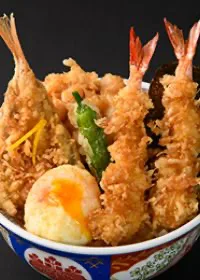
The coating is the whole argument
Tempura’s crust is a thin batter, not the breadcrumb crust of a katsu, and not the dry, craggy starch coating of karaage. What sets it apart from the rest of Japan’s fried foods is exactly that light film, called koromo. [S02, S08]
Great batter is barely mixed. Cooks use very cold, often iced, water and a low-protein flour, and they stir as little as possible, lumps left in on purpose. [S07, S11, S12] The reason is gluten: mix flour and water thoroughly and you build the same stretchy protein network you want in bread and do not want here, which turns a coating chewy and doughy instead of crisp. Cold water and a barely-combined batter keep gluten in check. [S11, S12] Some cooks reach for sparkling water or a splash of alcohol for extra lightness, but those are flourishes, not rules. [S11]
At the table, press an edge with your teeth. Does it crack and give way, or bend and go slightly leathery? A fine coating is thin enough to show the shape of what is underneath. If every bite tastes mostly of fried batter, the koromo has stopped being a frame and become the picture.
Why good tempura isn’t greasy
Here is the part diners get backwards most often: properly fried tempura should not taste oily, and the reason is not simply less oil. Properly managed hot oil helps the crust set quickly, so the piece ends up crisp rather than heavy or greasy. [S06, S13]
When battered food meets hot oil, the water inside the batter and the ingredient rushes out as steam, that furious bubbling you see, and those outward streams help keep oil from soaking in as the crust sets. [S06, S13] Several things have to go right together, not just one. If the oil runs too cool, the coating dehydrates slowly and drinks up oil instead: pale, heavy, disappointing. [S06, S12, S13] Fry a piece too long and the same thing happens from the other side, once the moisture is spent, the bubbling stops and oil can finally creep in. [S13]
What counts as “hot enough” depends on the ingredient and the style, commonly around 160–180°C for much vegetable and home tempura, though sources and kitchens range higher. [S06, S11, S12, S13] The exact number is not a diner’s job to know. The evidence is: even gold colour, dry to the touch, light in the hand. Blond and limp, or dark and slick, is something you can taste, but describe it as what is on your plate, not as a diagnosis of a kitchen you cannot see.
The ingredient is supposed to win
The quiet radicalism of great tempura is that the fried shell exists to serve what is inside it. A perfect piece of shrimp tempura is a perfect piece of shrimp that happens to be wearing a crisp jacket; a great slice of kabocha or eggplant should still taste sweet, or silky, or green. [S12]
That makes timing part of quality rather than a garnish to it. The coating begins softening and taking on oil the moment it leaves the fryer, which is exactly why the tradition insists you eat each piece right away, and why counter chefs hand pieces over one at a time. [S05, S10] Tempura that has waited, under a lamp, in a box, while the whole course was photographed, is a genuinely different, lesser thing, and it is fair to judge it as what it is rather than what it was thirty seconds out of the oil.
So after the first crunch, pause and ask what you are actually tasting. Could you name the fish with your eyes closed? Does the vegetable still have a center? If it all just tastes “fried,” the ingredient lost.
Seasoning is a choice, not a rescue
Good tempura gives you options: a dip of tentsuyu, a light sauce of dashi, soy sauce and mirin, usually brightened with grated daikon, or simply salt, sometimes a flavoured one like matcha or yuzu. [S10, S08] The tell is that great tempura is worth eating almost bare. Salt and sauce should lift a delicate ingredient, not resuscitate a dull one. If you are drowning every piece to keep it interesting, the seasoning is doing the kitchen’s job.
At a counter, sequence is part of the craft
At an omakase counter the order is deliberate: many chefs open with lightly flavoured vegetables and white fish, move through shrimp and shellfish, and finish with something richer like kakiage, so the subtle pieces are not steamrolled by the bold ones. [S10] It is a described convention rather than a law, but when a counter meal has a shape, that shape is a sign someone is thinking about your experience and not just clearing a fry basket.
Preference, not accusation
Keep one honest line as you form an opinion. “The batter felt heavy to me tonight” describes your plate. “This place always uses old oil” is a claim about a kitchen you never saw. The first is a tasting note; the second is a verdict you cannot actually support from a single bite. Great tempura rewards attention more than expertise, so notice generously, and judge only what you can genuinely taste.
What to bring back
You do not need a scorecard. After the meal, finish one sentence, “The bite I would come back for was…”, and name the piece and the reason. The shrimp that snapped? The eggplant that turned to silk? The single vegetable you would never have ordered on its own? That is already more useful to the next diner than an unexplained number.
The preparation facts here are source-referenced; the tasting prompts and framing are our proposed approach, not attributed quotations or claims of firsthand testing. No restaurant is scored in this guide.
Sources and further reading
- [S02]The Japanese Food Lab, What is tempura?
- [S05]The Japanese Food Lab, Best Practices When Serving Tempura
- [S06]The Japanese Food Lab, The Science Of Tempura Frying Oil
- [S07]The Japanese Food Lab, What Is The Best Flour For Tempura?
- [S08]MICHELIN Guide, The History of Tempura
- [S10]GO TOKYO (Tokyo Metropolitan Government), How to Enjoy Tempura at Its Absolute Best in Tokyo
- [S11]Fine Dining Lovers, The Science of Tempura Japanese Batter
- [S12]Just One Cookbook (Namiko Chen), Vegetable Tempura
- [S13]The Japanese Food Lab, The Science Behind The Perfect Tempura